Angle seat valves
Switch water, steam and cleaning lines where higher flow and frequent cycling are required.
Compare fluid valves for rinsing and utility lines with directional valves and cylinders for packaging motion. Select each circuit by its medium, cleaning conditions, pressure and required shutoff behavior.
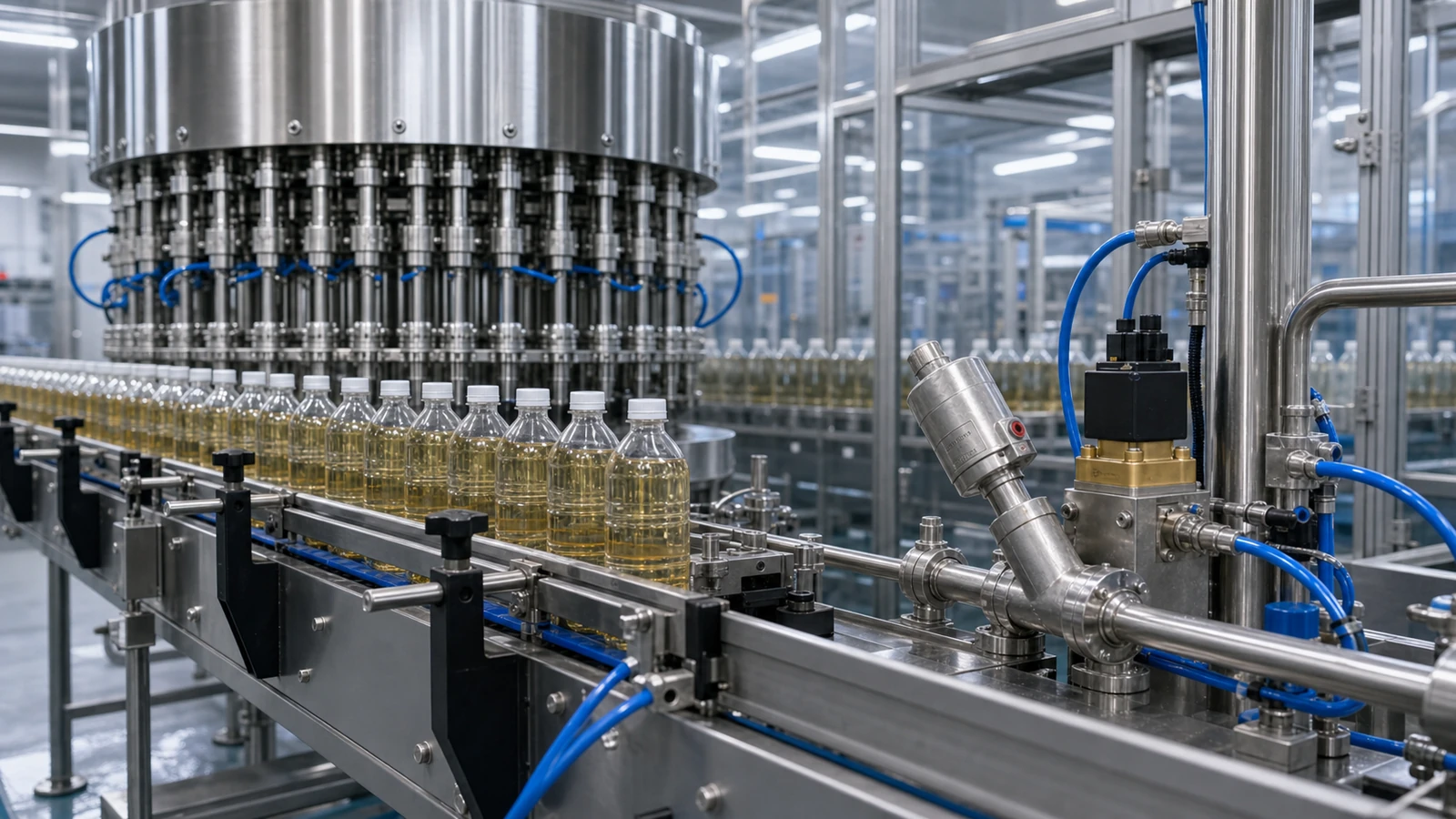
Share the medium, contact material, washdown environment, port size, voltage, quantity and target delivery date when requesting a quote.
Switch water, steam and cleaning lines where higher flow and frequent cycling are required.
Control air, water or utility circuits for filling, rinsing and compact equipment automation.
Automate ball or butterfly valves on process and utility lines.
Provide pushing, clamping, lifting and indexing motion on packaging machines.
Route compact pneumatic lines around conveyors, filling heads and cabinets.
Filter and regulate compressed air before valves and cylinders.
On a filling or rinsing machine, separate the liquid circuit from the compressed-air circuit. Compare a fluid valve for the filling line, an angle seat valve for process switching, and a directional valve for cylinder motion.
Provide cleaning temperature, fluid composition, required wetted materials and seals, switching frequency and the applicable food-contact requirements. Confirm documents for the exact model; a generic valve category does not establish hygienic certification.
Compare a 2WB fluid solenoid valve for electrical on/off control. Confirm fluid composition, temperature, required flow and minimum/maximum pressure differential.
Compare a KLJZF pneumatic angle seat valve when the connection, flow requirement and available pilot air suit the installation. Confirm the exact valve and seal ratings for hot water or steam.
Use a directional valve such as 4V200 to route compressed air to the cylinder. Confirm valve function, flow, cycle time and air quality separately from the liquid circuit.
If a valve contacts food or cleaning chemicals, provide the substance, concentration, exposure time and cleaning temperature. Request model-specific wetted-material, seal and applicable compliance documents. Stainless steel or a tri-clamp connection alone does not establish food-contact suitability or hygienic certification.
Compare fluid switching options
These are selection examples. Final product suitability depends on the confirmed model and working conditions.
Send a circuit sketch, medium and cleaning conditions, inlet/outlet pressure, required flow, port standard, power or pilot-air supply, operating sequence and quantity. Identify which parts contact the product.
Common products include Angle Seat Valves, Solenoid Valves, Pneumatic Actuators, Pneumatic Cylinders, Pneumatic Fittings, Pneumatic Tubing, Air Preparation Units. Final selection depends on the medium, pressure, voltage, port size and installation environment.
Share the medium, contact material, washdown environment, port size, voltage, quantity and target delivery date when requesting a quote.
Open the matching product pages, review sample images and use the RFQ form when the working conditions are ready.
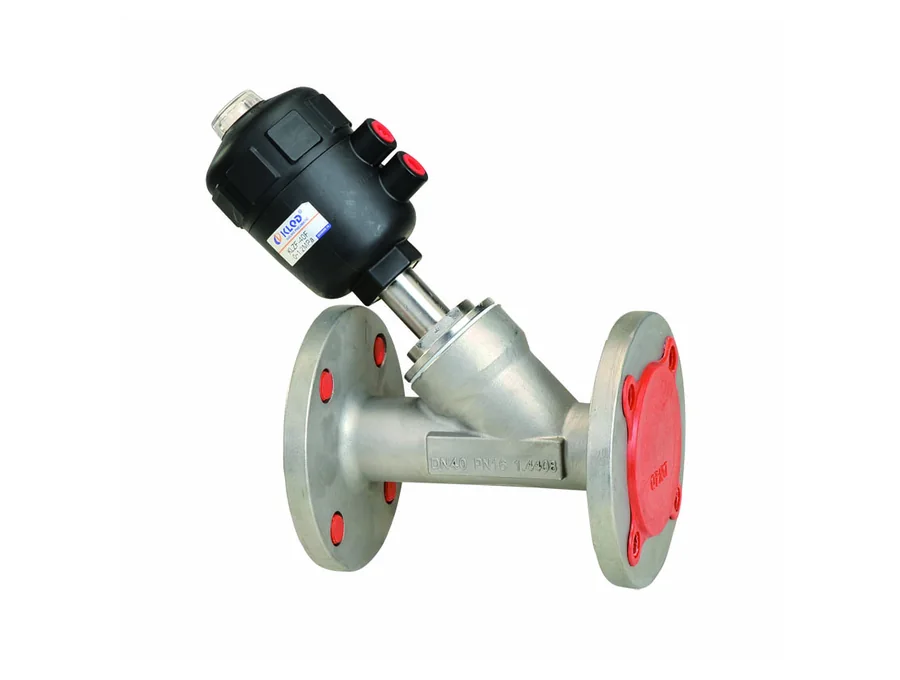
Angle seat and piston valve options for higher-flow switching in water, steam and process lines.
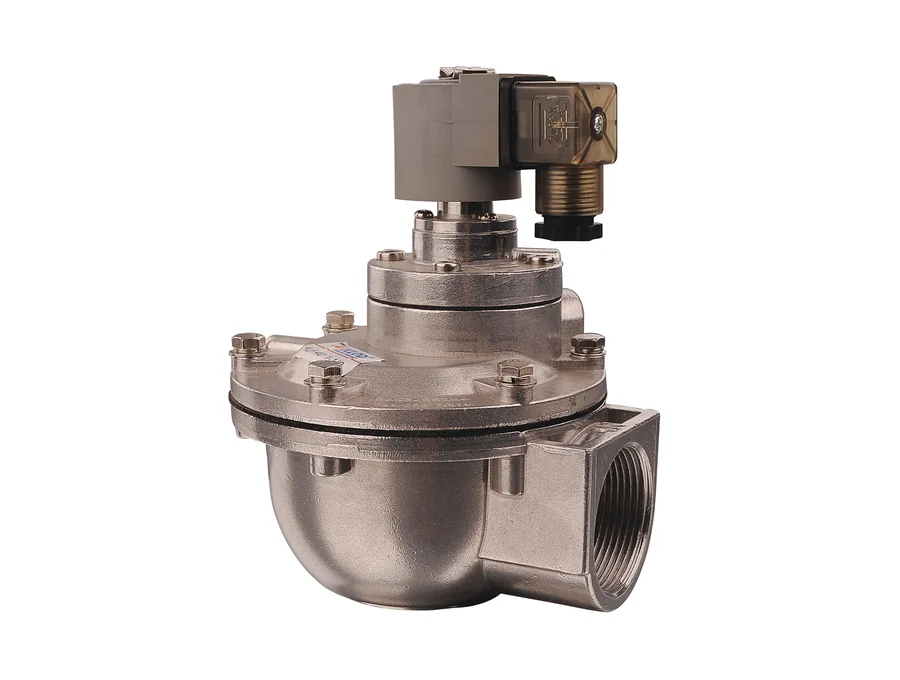
Direct acting, pilot operated, normally closed, normally open, steam, stainless and plastic solenoid valve series.
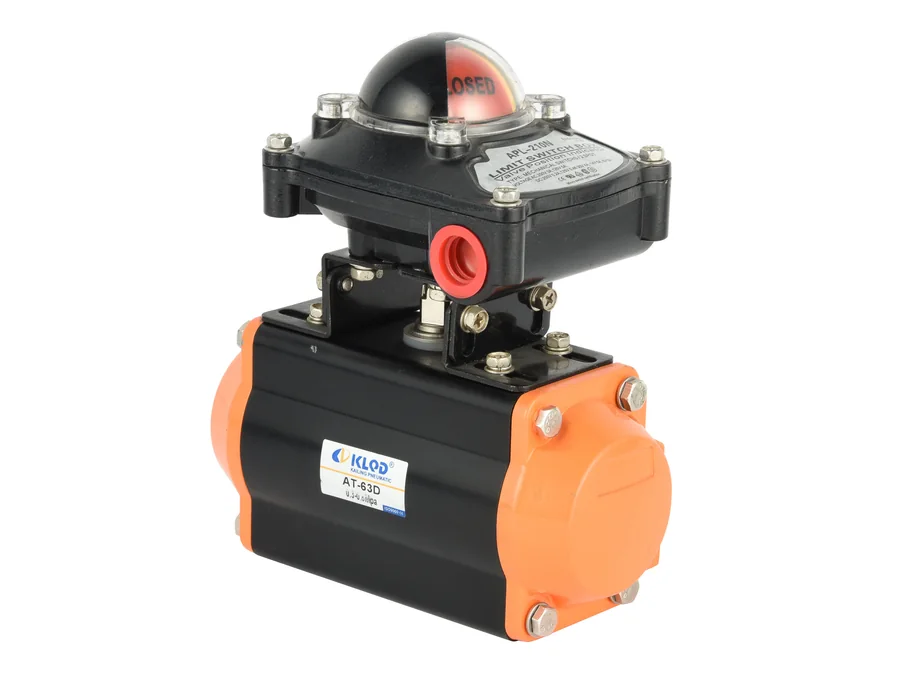
Rack-and-pinion pneumatic actuators for quarter-turn ball valve and butterfly valve automation.
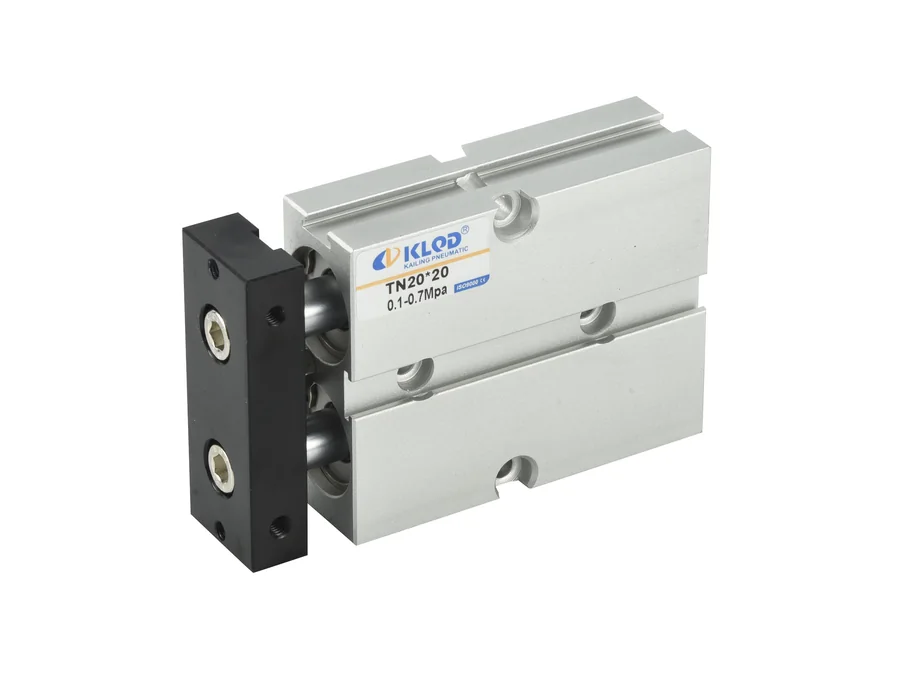
Standard, mini, compact and guided cylinder options for motion control and automation equipment.
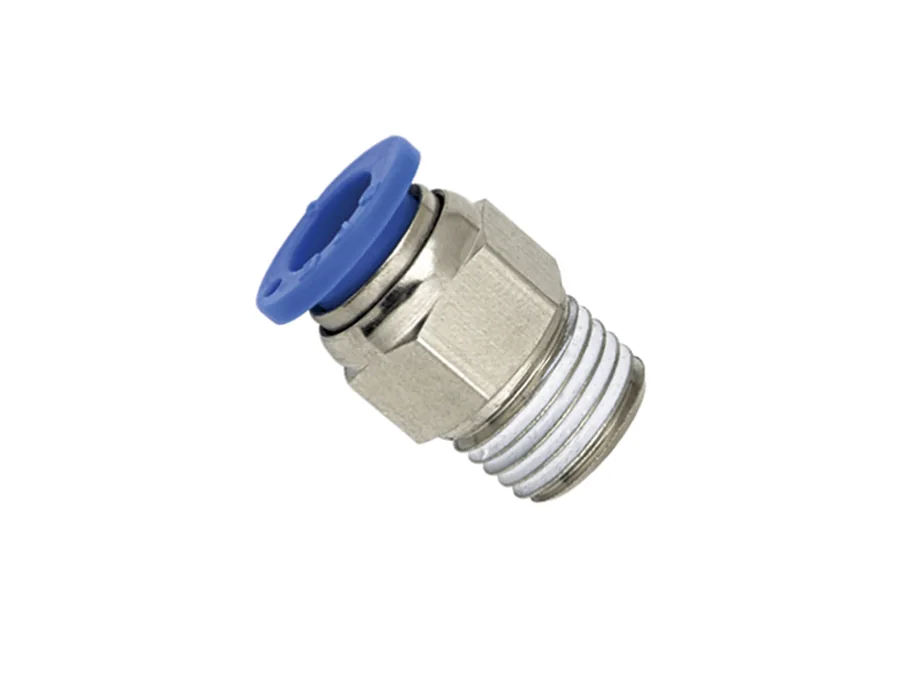
Push-in fittings, metal fittings, quick couplings and silencers for pneumatic circuit connection.
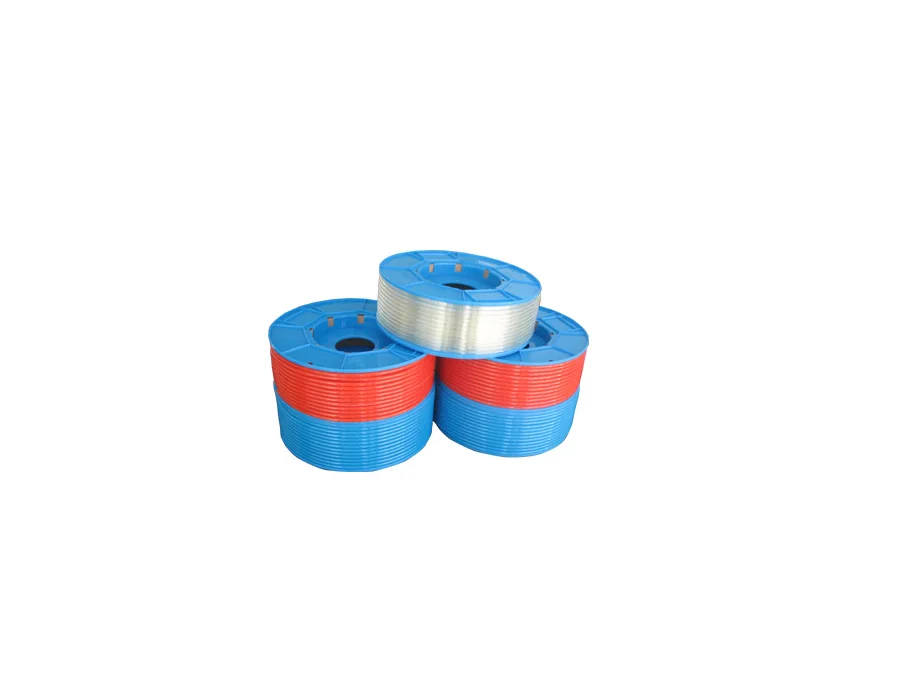
PU, PA and PE pneumatic tubes, coils and hose options for compact pneumatic systems.
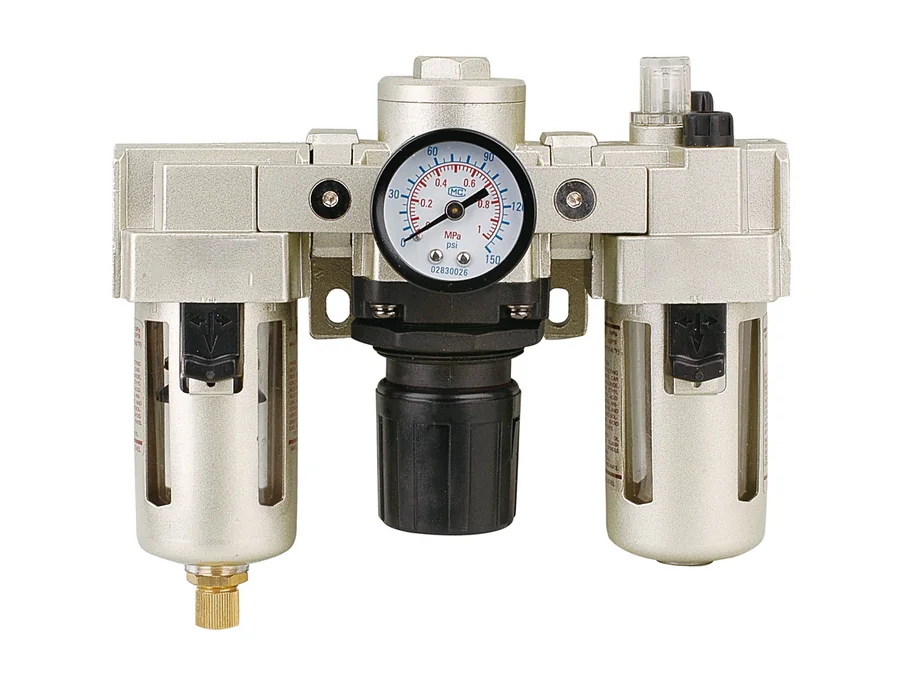
FRL combinations, filters, regulators, lubricators and filter-regulators for pneumatic air supply.