Choose by the circuit and operating conditions. A fluid solenoid valve provides electrical on/off switching; a pneumatic angle seat valve uses pilot air to operate a process valve. Confirm flow, medium, pressure, temperature and required shutoff behavior for the exact model.
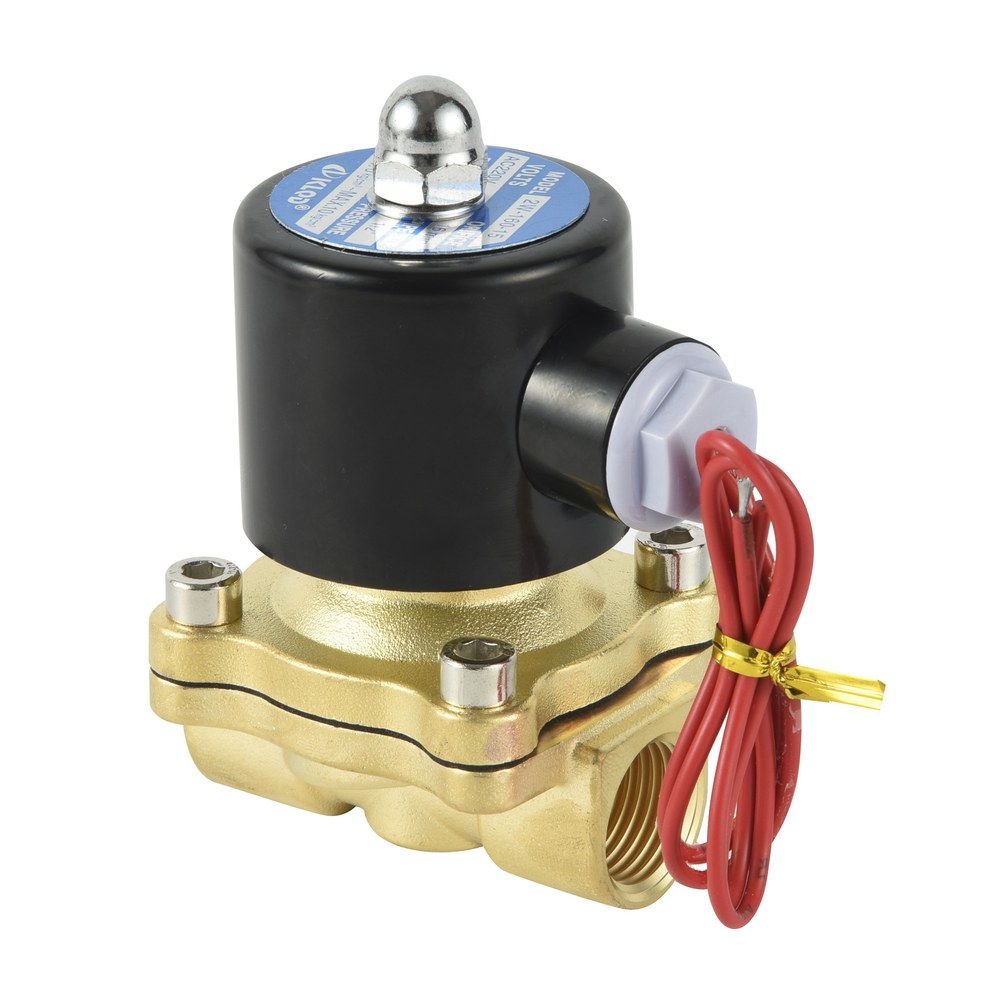
When a fluid solenoid valve fits the circuit
For electrical on/off fluid control, compare a 2WB stainless fluid solenoid valve with the required flow, inlet/outlet pressure, fluid temperature and seal compatibility. A pneumatic directional valve such as 4V200 routes compressed air to an actuator or cylinder; it serves a different function from a 2/2 fluid valve.
Review 2WB fluid valve specifications Review 4V200 directional valve function
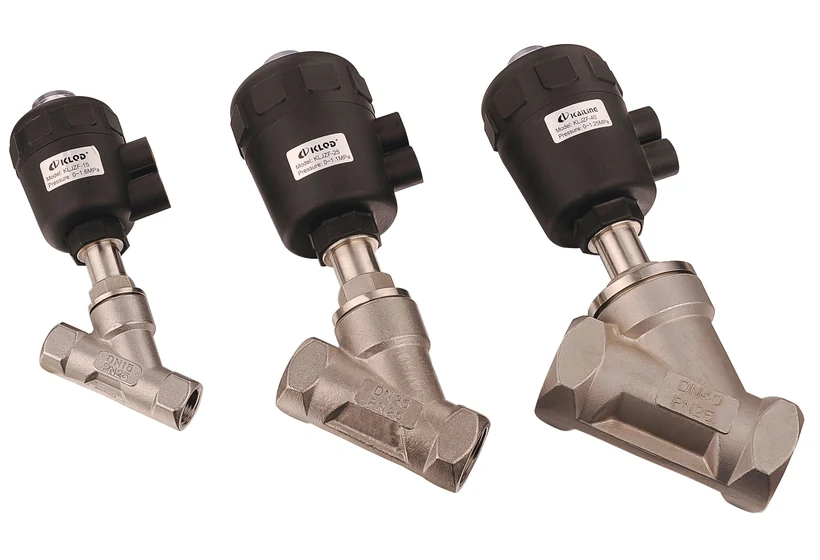
When to compare a pneumatic angle seat valve
For a process line, compare the KLJZF family using the required flow, connection, medium and switching sequence. Confirm available pilot air, valve action and loss-of-air behavior, as well as body and seal compatibility. A larger pipe connection by itself does not establish the required flow.
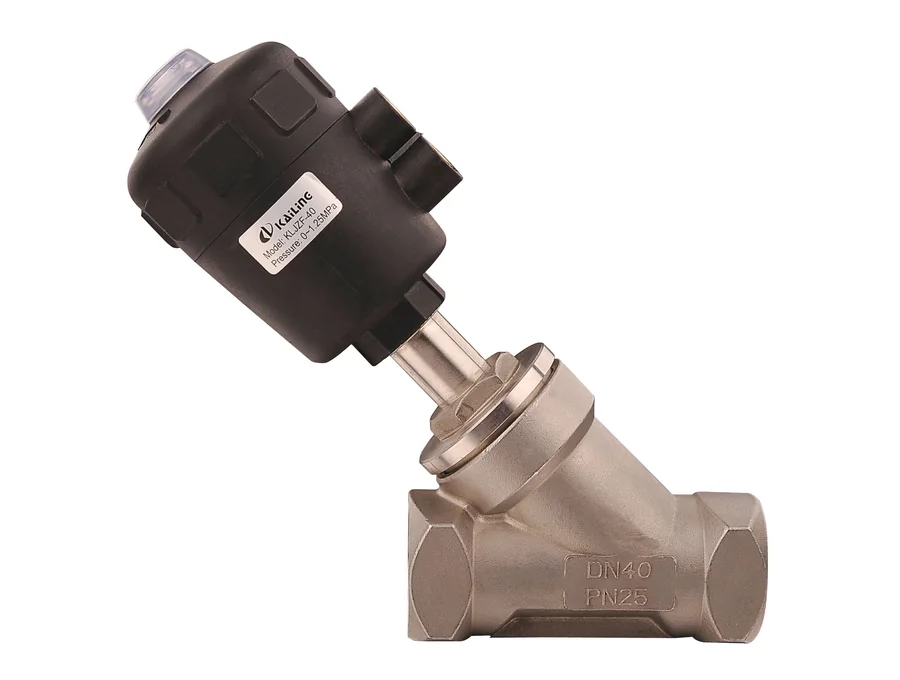
Steam, cleaning temperature and pressure need model-level review
Do not treat every valve as steam-ready. Supply normal and maximum temperature, inlet and outlet pressure, cleaning conditions and cycle frequency. Confirm the complete valve rating and seal package. A general catalog temperature range is not approval for every steam or chemical duty.
RFQ checklist for a side-by-side comparison
Send the circuit sketch, fluid and concentration, temperature, minimum/maximum inlet and outlet pressure, required flow, connection standard, electrical supply or pilot-air pressure, shutoff sequence and quantity. Identify the required state if power or air is lost.
Apply the comparison to filling and packaging equipment
Separate rinsing or utility liquids from compressed-air cylinder motion and any direct food-contact circuit. This makes the material, cleaning and control requirements clear for each component.
| Parameter | Value |
|---|---|
| Solenoid valve role | Compact electrical on-off or directional control. |
| Angle seat role | Higher-flow process switching with pneumatic piston actuation. |
| Media | Air, water, oil, steam or process fluid after material confirmation. |
| Connection | Thread, flange or series-specific connection data. |
| RFQ data | Medium, pressure, temperature, material, actuator and quantity. |
Frequently Asked Questions
- FAQ Is an angle seat valve the same as a solenoid valve?
No. Here the comparison is between an electrically operated fluid solenoid valve and a pneumatically operated angle seat valve. Compare the exact model, flow and operating conditions. - FAQ Which one is better for steam?
Do not assume either valve is steam-ready. Confirm temperature, pressure, body material and seal package before selection. - FAQ Can Kailing quote a valve package?
Yes. Send medium, pressure, temperature, port or flange, actuator type, voltage for pilot valve, quantity and installation photos.
Need a quotation?
Send the page link, quantity, drawings and working conditions to Kailing for review.