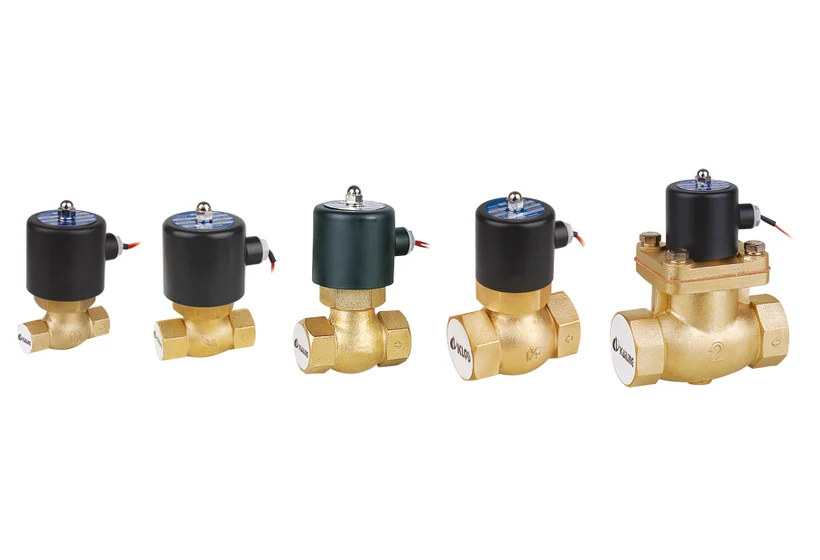
Identify both the medium and the circuit function first. Fluid on/off control, pneumatic direction control and steam service require different reviews; then confirm pressure, temperature, wetted materials, seal, flow and electrical configuration for the exact model.
Medium and circuit function are separate questions
“Air valve” can mean a two-port shutoff valve in an air line or a directional valve that moves a cylinder. Describe what the valve must do before choosing a family. Likewise, a water or oil description needs fluid details and conditions, not only a pipe size.
| Application | Starting point | Conditions still needing confirmation |
|---|---|---|
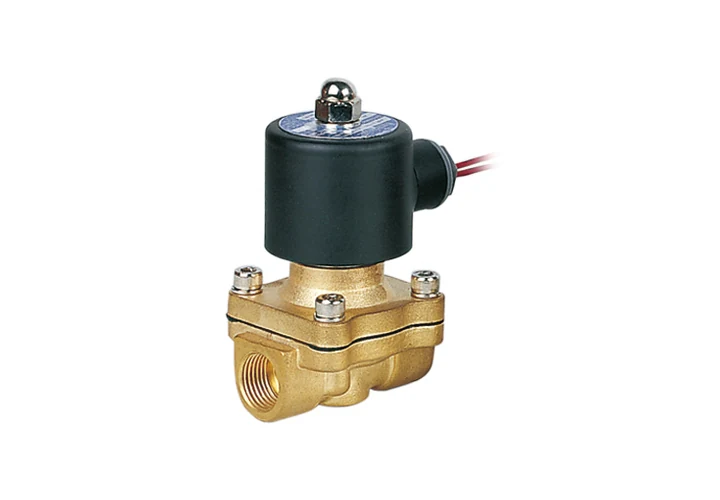
| Compatible fluid on/off duty | 2W brass or 2WB stainless family | Exact medium, seal, pressure differential, temperature and flow |
| Compressed-air direction control | 4V200 directional family | Circuit function, filtered air, minimum pressure and mounting |
| Steam on/off duty | US(2L) steam family | Steam condition, construction, differential pressure and seal |
| Pneumatically operated process line | KLJZF angle seat family | Pilot air, flow direction, process rating and connection |
These are review paths, not an approval that every model in a family is suitable for every listed medium.
Air: distinguish shutoff from motion control
For one on/off flow path, examine a compatible fluid-valve model. For cylinder or actuator motion, start with the 4V200 directional-valve data and confirm the required port/position function. Its published medium is filtered air; do not transfer that rating to water or oil.
Water and oil: define the actual fluid
For water, identify additives, contaminants and cleaning conditions. For oil, give the fluid designation and viscosity at operating temperature. Compare 2W brass models with 2WB stainless models using the exact wetted parts and seal, not the body material alone. “Stainless” does not guarantee chemical compatibility or food-contact suitability.
Provide minimum and maximum inlet/outlet pressure and required flow. A valve that fits the pipe can still be unsuitable for the operating differential or flow demand. The flow, pressure and voltage checklist explains what information to send for sizing.
Steam: use a dedicated model review
Start with the US(2L) reference and provide steam temperature, pressure, downstream conditions and operating sequence. Do not treat a generic seal temperature as the rating of the entire valve. Where pneumatic actuation is preferred, review the KLJZF family with its own pilot-air and process limits.
Complete the electrical and replacement checks
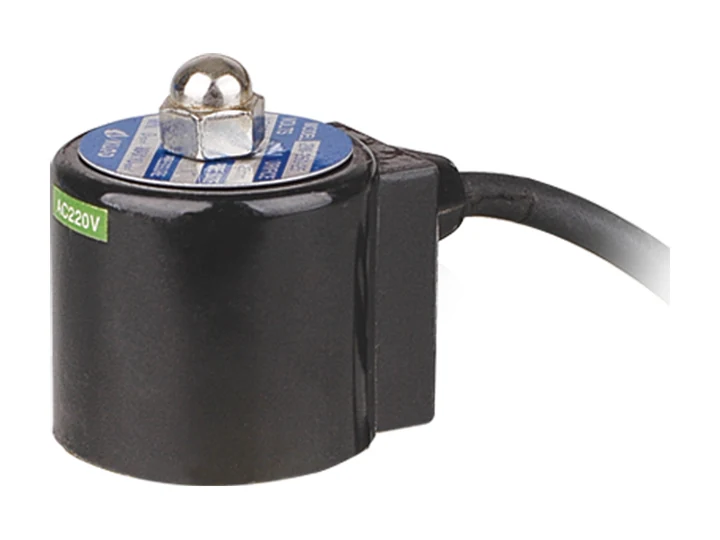
Confirm AC/DC supply, voltage, connector, wiring and duty cycle for the quoted coil. Define normally closed/open action and required behavior after power loss. For a replacement, send the old nameplate, circuit symbol, connection standard and installation photos as well as medium and operating data. Matching external size or voltage alone is insufficient.
Send quantity and requested documents with the technical details. If the application has a special fluid or cleaning process, identify it explicitly so the quotation can state the reviewed configuration and any remaining conditions.
| Parameter | Value |
|---|---|
| Medium | Air, water, oil, steam or another confirmed fluid. |
| Valve function | Normally closed, normally open, 2/2, 3/2 or 5/2 according to circuit logic. |
| Port and flow | Thread size, flow requirement, mounting direction and installation space. |
| Material and seal | Body material and seal material matched to medium, temperature and pressure. |
| Electrical | DC 12 V, DC 24 V, AC 110 V, AC 220 V, connector type and duty cycle. |
| RFQ data | Quantity, drawings, photos, old model, target delivery and packaging needs. |
Frequently Asked Questions
- FAQ Can one valve serve several media?
Only when the exact model and materials are confirmed for each medium and operating condition. Do not assume all air, water, oil and steam duties are interchangeable. - FAQ Is stainless steel always the better choice?
Choose from compatibility and installation requirements. A stainless body does not remove the need to confirm seals and other wetted parts. - FAQ Is the old model number enough?
It is a useful starting point. Also provide the actual medium, operating conditions, action and installation details.
Need a quotation?
Send the page link, quantity, drawings and working conditions to Kailing for review.