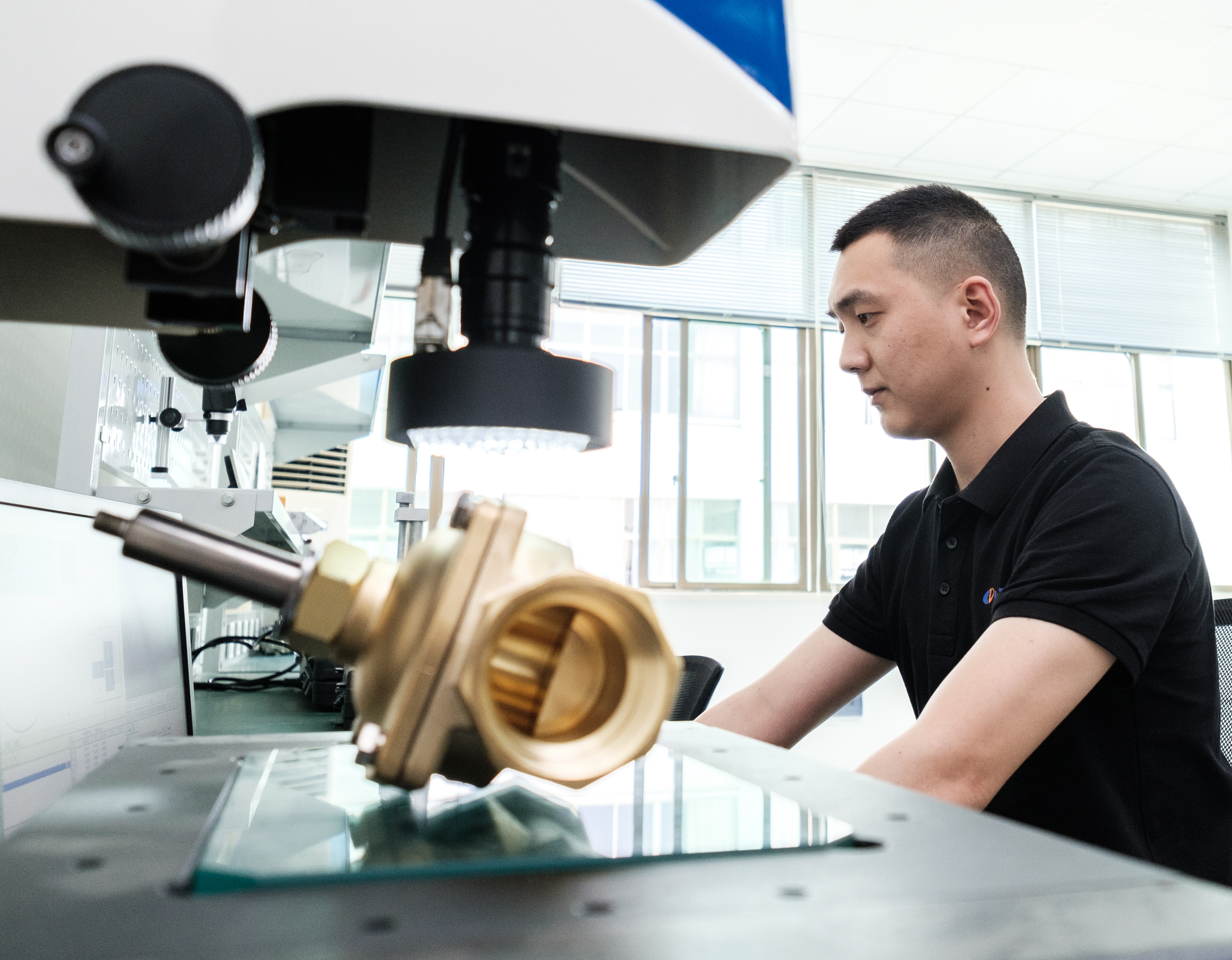
Begin with the closest catalog model and list the requirements it does not meet. Separate labeling or packaging changes from changes to materials, dimensions, seals, electrical interfaces or performance; each requires a different review and validation scope.
Define what needs to change
An OEM request is easier to evaluate when it identifies a baseline product and a specific difference. “Custom solenoid valve” might mean a private label, a different connector, a changed port layout or a new fluid requirement. Those are different projects and should not share an assumed MOQ or lead time.
Use the existing 2WB stainless fluid valve, KLJZF angle seat valve or AT actuator data as a starting point. A catalog option is a reference for review, not confirmation that every combination is available.
Separate the scope into reviewable groups
| Scope | Information to supply | Written result to request |
|---|---|---|
| Label and packaging | Artwork, language, label location, pack quantity | Approved artwork and packing specification |
| Installation | Dimensioned drawing, port/thread standard, mounting envelope | Agreed drawing and interface dimensions |
| Fluid and materials | Medium, concentration, temperature, cleaning conditions | Confirmed wetted materials and seal selection |
| Electrical and control | Voltage, connector, control sequence, duty | Confirmed coil and wiring configuration |
| Performance | Flow, inlet/outlet pressure, cycle rate or valve torque | Model-specific limits and agreed acceptance method |
Do not carry a power, response-time or lifetime figure from another series into the specification. The quoted ordering code and its supporting data must match the proposed component.
Prepare one controlled requirements package
Send the baseline model, a marked drawing showing changes, application description and normal/maximum operating conditions. Include prototype quantity, expected order quantities, target market, requested documents and target dates. For replacements, add the old nameplate and installation photos, but do not assume a matching appearance establishes equivalence.
State which dimensions and performance items are mandatory and which are preferences. Give drawings a revision identifier so samples, quotation and repeat orders can refer to the same requirement. If you need a particular material grade or certificate, name it explicitly and ask whether evidence covers the exact model and configuration.
Agree sample checks before ordering
Define the checks needed for your application: installation fit, connection compatibility, action sequence, leakage or flow criteria, and operation under the agreed conditions. Ask which checks the supplier will perform and which your team will perform on the assembled machine. Record deviations and approvals before treating a sample as the production reference.
The supplier evidence checklist helps compare quotations and document scope. Certification availability, tooling ownership, sample cost, MOQ, sample timing and production lead time should be confirmed in the actual quotation. This guide does not set those commercial terms.
Make repeat orders traceable
Keep the accepted model code, drawing revision, material/seal requirements, packaging specification and approved sample record together. Ask how proposed substitutions or future revisions will be communicated. A clear reference package makes it easier to identify what changed when a repeat order differs from the original sample.
Frequently Asked Questions
- FAQ Can a standard product be reviewed before commissioning a custom design?
Yes. Identify the closest catalog model and the requirement it does not meet; a standard option may meet the need after review. - FAQ What are the MOQ and sample lead time?
They depend on the configuration, change scope and quantity. Request written terms for the specific project. - FAQ Does a custom label change technical approval?
A label does not establish performance or certification. Confirm technical requirements and document coverage separately.
Need a quotation?
Send the page link, quantity, drawings and working conditions to Kailing for review.