Introduction
When sourcing fluid control components—solenoid valves, directional control valves, pneumatic fittings—industrial buyers and OEM procurement teams need a systematic supplier quality checklist. A structured evaluation reduces the risk of inconsistent batch quality, delayed shipments, or non-compliant materials. At Kailing Fluid, we recommend a hands-on audit approach that goes beyond marketing claims and focuses on measurable quality indicators. This checklist helps you compare suppliers objectively and assess whether each component meets your operational and regulatory expectations.
Supplier Quality Checklist
| Parameter | What to confirm | Why it matters |
|---|---|---|
| Material competence | Sealing materials (NBR, EPDM, PTFE) and body materials (brass, aluminum, stainless steel) offered for different media | Directly affects chemical compatibility, temperature range, and service life |
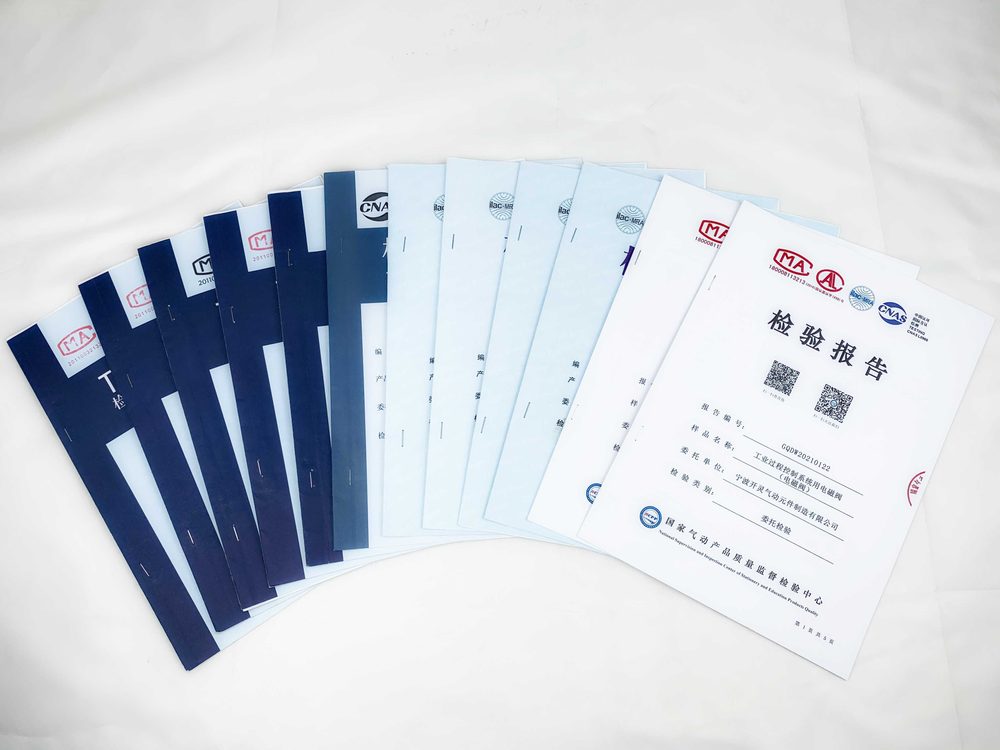
| Testing & inspection | In-house testing capability: pressure tests, cycle life tests, leakage tests; documented batch sampling rates | Confirms real quality control, not just paperwork |
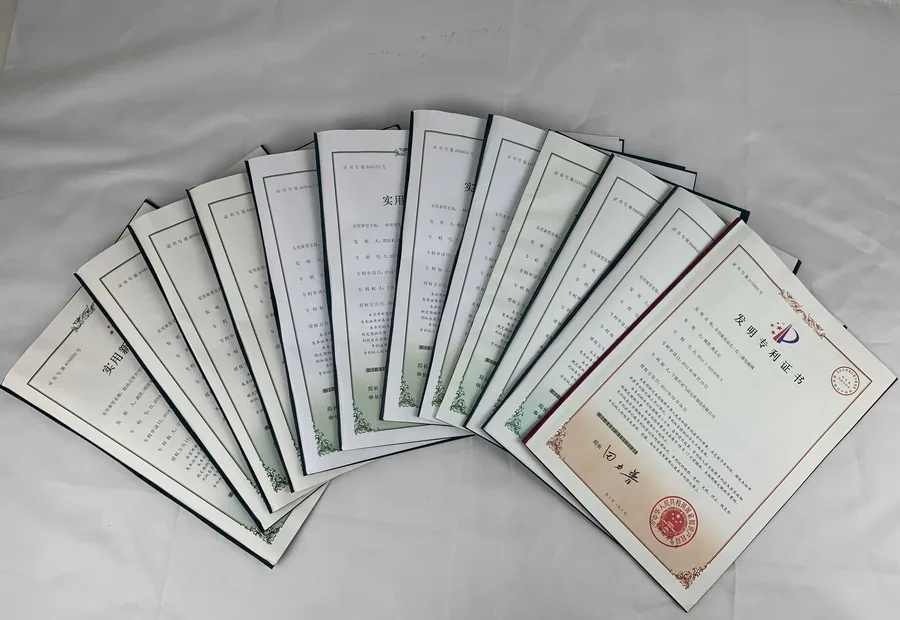
| Certifications available | ISO 9001 quality management, product-specific CE marking or other region-specific marks (confirm currently valid certificates) | Demonstrates baseline process maturity and regulatory awareness |
| Lead time consistency | Confirmed standard lead time for repeat orders, variation during peak seasons | Critical for inventory planning and project timelines |
| MOQ flexibility | Minimum order quantity for standard vs. custom configurations, sample availability | Helps assess whether the supplier aligns with your production scale |
| Customization capability | Can the supplier provide custom voltage, port size, or specialized sealing material upon request? | Essential for OEM and application-specific projects |
| After-sales & technical support | Response time for technical queries, availability of spare parts, warranty terms | Reduces downtime and long-term operational costs |
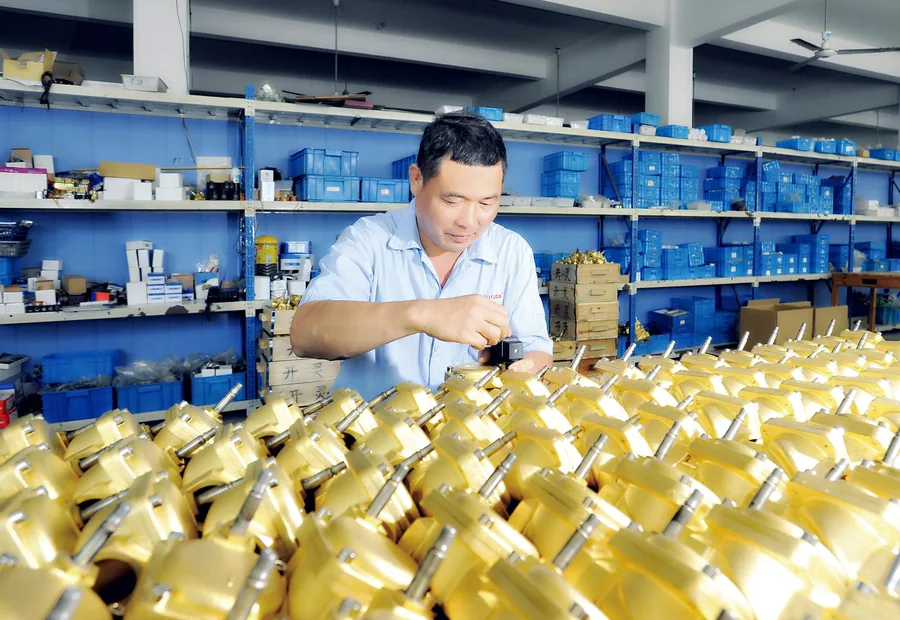
| Factory transparency | Willingness to share production line photos, audit reports, or arrange virtual/factory visits | Indicates partnership readiness |
How to Apply the Checklist at the RFQ Stage
Start by sharing your technical requirements, including media type, pressure range, temperature, and any relevant installation constraints. Request test reports for a recent batch of similar components, along with material datasheets. Compare the supplier’s stated lead time with their production schedule visibility. Ask about sample availability if you are evaluating a new partnership. Do not skip on-site or virtual factory reviews: real production environments, testing stations, and quality records tell you more than a polished brochure. At Kailing Fluid, our quality process includes systematic testing and inspection stages that buyers can review before placing bulk orders.
Common Pitfalls When Evaluating Fluid Control Suppliers
- Overreliance on certificates alone. Certifications should be verified for validity and scope; ask for the certification body and date of last audit.
- Ignoring sealing material details. A supplier offering only NBR seals limits compatibility with oil-free or high-temperature applications. Confirm EPDM or PTFE options when needed.
- Assuming standard lead times apply year-round. Chinese New Year and seasonal production surges can extend delivery; clarify order cut-off dates.
- Underestimating sample costs. Some suppliers avoid sampling for custom configurations; agree on sampling terms early.
- Not confirming after-sales support in writing. Get warranty duration and replacement handling in the quotation or contract.
FAQ
What is the typical MOQ for standard solenoid valves from Kailing Fluid?
Standard solenoid valves usually have a flexible MOQ, and samples are often available upon request for first-time evaluation. For exact quantities based on your required model and voltage, contact our sales team with your specification.
How can I verify material and pressure testing before shipment?
You can request batch-specific test reports and inspection photos. Kailing Fluid maintains in-house testing stations, and buyers are encouraged to review testing records or arrange a virtual tour.
Do you offer custom port sizes or specialty sealing options?
Yes, customization requests for port sizes, seal materials (NBR, EPDM, PTFE), and coil voltage are evaluated against technical feasibility. Share your application details for a fast feasibility check.
What certifications do your pneumatic components hold?
Certification lists may vary by model; please request the latest certificate copies for your target product. We can provide ISO 9001 and product-specific CE documents after confirmation.
Quick Takeaways for Procurement Teams
- Ask for material datasheets and recent batch test reports.
- Prioritize suppliers who open their factory for audit (physical or virtual).
- Confirm lead time and MOQ for your specific model in writing.
- Treat certification claims as pending verification until you see valid documents.
- Use a structured checklist to make side-by-side supplier comparisons objective.
Sources
- User material: Ningbo Kailing brief catalog.pdf (product range, sealing material details NBR/EPDM/PTFE)
- User material: Factory photos – testing and inspection area
- Official/industry source: ISO 9001 and CE marking requirements should be confirmed by model
- Manual confirmation needed: valid certification scope, exact lead times for custom orders, applicable regional compliance documents
Next Steps
Ready to qualify a reliable fluid control component partner? Send us your technical requirements, and our team can provide a tailored quotation with material datasheets and test references.
Visit our Solenoid Valve Product Page to explore standard configurations, or contact us directly for custom specifications and sample requests.
Need a quotation?
Send the page link, quantity, drawings and working conditions to Kailing for review.