Introduction
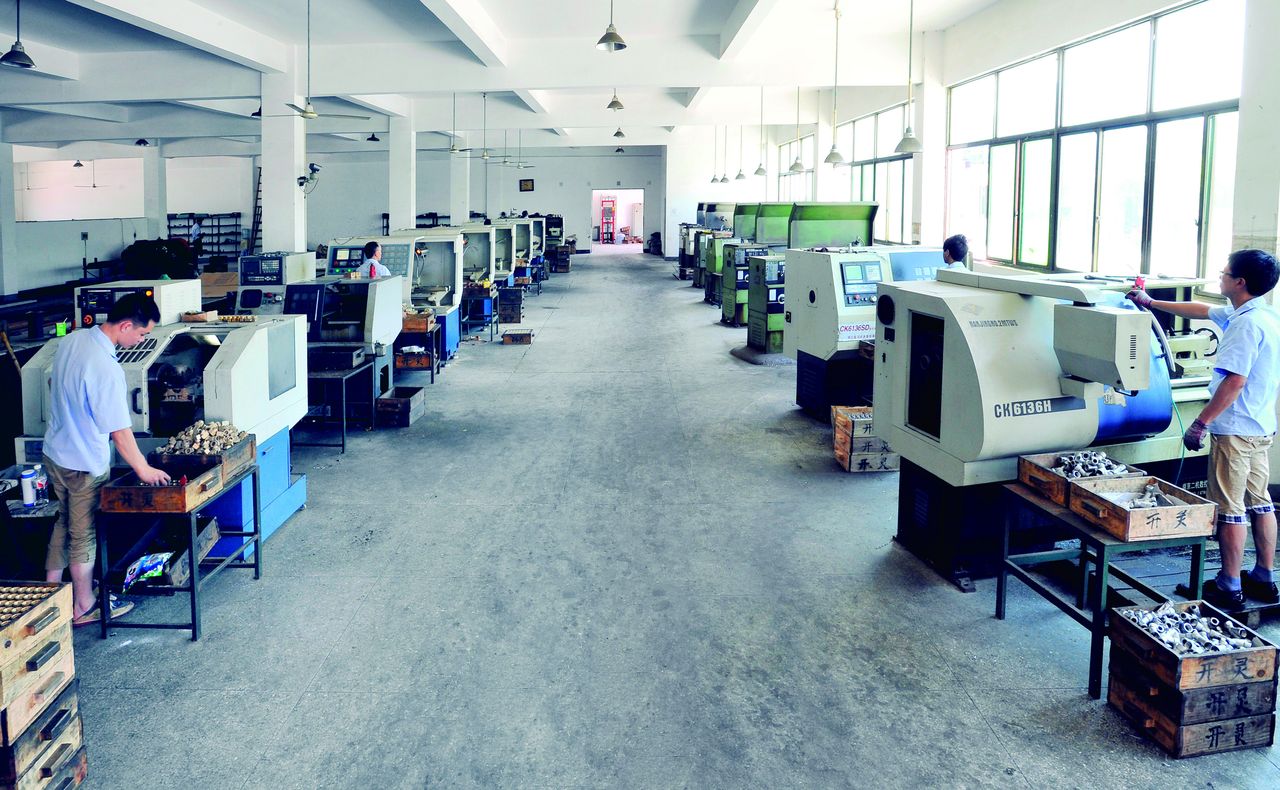
When procuring fluid control components for overseas industrial or automation projects, buyers face a wide range of solenoid valves, pneumatic valves and related accessories. The wrong choice can lead to system failure, downtime or extra costs. This guide walks you through the key parameters to check, typical buyer questions and how to communicate effectively with manufacturers.
Direct Answer
What is the most reliable way to choose fluid control components? Start by defining the media (air, water, oil, steam), operating pressure, port size and voltage. Then narrow options by seal material (NBR, EPDM, PTFE) and verify certifications like ISO 9001 or CE. Always request a specification sheet and, when possible, a sample for on-site testing before placing a bulk order.
Step‑by‑Step Buyer Checklist
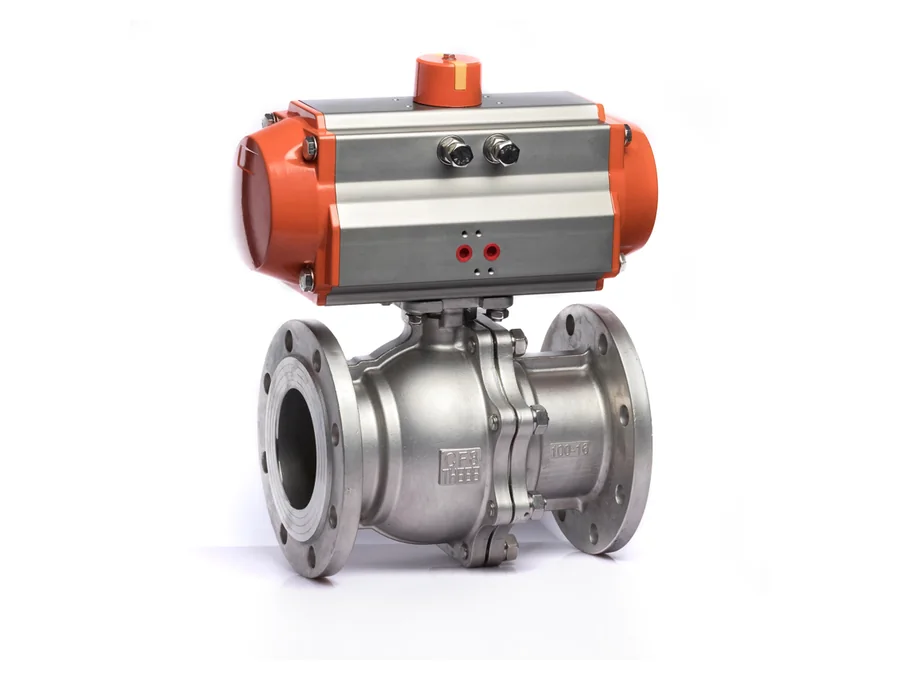
Use this table as a pre‑purchase checklist for any fluid control component enquiry.
| Parameter | What to confirm | Why it matters |
|---|---|---|
| Media | Air, water, oil, steam or aggressive fluids | Determines body and seal material (e.g., NBR for oil, EPDM for hot water) |
| Port size | G1/8, G1/4, G3/8, G1/2, NPT, etc. | Mismatch can cause installation issues and extra adaptors |
| Operating pressure | Minimum and maximum in bar or MPa | Valve must open/close reliably within the system pressure range |
| Voltage & coil type | 24VDC, 110VAC, 220VAC, with DIN connector | Electrical mismatch is a common ordering error |
| Function | 2‑way, 3‑way, 5‑way; normally closed (NC) or normally open (NO) | Defines flow path logic in the system |
| Seal material | NBR (‑5 |
Impacts temperature and chemical compatibility |
| Duty cycle & lifetime | Continuous or intermittent operation; cycles per day | Affects maintenance intervals and total cost of ownership |
| Certifications | ISO 9001, CE, UL, RoHS | Some project specifications require specific marks |
| Lead time & MOQ | Standard lead time in days; minimum order quantity per model | Critical for project timelines and budget |
Key Parameters in Detail
Media Compatibility and Seal Material
Fluid control valves for air, water, oil or steam require different internal seals. For general industrial air, NBR seals are common. For food or hot water, EPDM or PTFE may be needed. Confirm the medium temperature range with the supplier: typical NBR covers ‑5 to 80 °C, while EPDM can operate from ‑5 to 120 °C. Always double‑check with the manufacturer’s datasheet.
Pressure and Flow Considerations
Check both operating pressure and maximum system pressure. Pneumatic solenoid valves from Kailing Fluid, for example, are tested for standard industrial ranges. A normally closed 2‑way valve must withstand upstream pressure without leakage, while a 5‑way valve needs stable pilot pressure for spool shifting. If your project involves vacuum, confirm the valve’s vacuum rating separately.
Voltage, Connector and Installation
Common coil voltages are 12VDC, 24VDC, 110VAC and 220VAC. A mismatch can burn the coil or cause erratic operation. Also check if the valve comes with a DIN connector and LED indicator. For overseas projects, local power supply standards must be matched; wrong voltage orders are a frequent cause of returns.
FAQ
What is the typical MOQ for pneumatic solenoid valves?
MOQs vary by model and series. Many standard solenoid valves can be ordered from 10 or 20 pieces per model, while custom or special voltage versions may require higher volumes. Contact the manufacturer for the exact MOQ per item code.
How long is the lead time for bulk orders?
Standard models are often in stock and can ship within 7–15 days. Non‑standard voltage, special seals, or large OEM quantities may extend the lead time to 25–40 days. Always confirm the latest production schedule with the supplier before finalizing the project timeline.
Can I get a sample or drawing before ordering?
Yes. Reputable fluid control suppliers provide PDF drawings, photos and, in many cases, a sample for functional testing. Request a specification sheet or 3D drawing to verify dimensions, port threads and mounting hole spacing before placing a bulk order.
How do I confirm the correct solenoid valve model for my application?
Provide the supplier with media type, pressure range, port size, voltage, function (NC/NO, 2‑way/3‑way/5‑way) and required flow rate. Share a photo or drawing of your existing installation if available. The supplier’s engineering team can then recommend the best match from their product range.
Next Steps: Get a Professional Recommendation
If you are evaluating fluid control components for a new project or need to replace existing valves, Kailing Fluid’s team can help you match the right model from a wide range of solenoid valves and pneumatic accessories. Send your requirements including media, pressure, port size and voltage to our sales team for a specification review. We answer quick technical enquiries within 24 hours and can provide samples or photos for your evaluation.
Sources
- User material: Ningbo Kailing brief catalog (PDF) – contains product series and technical data for solenoid valves and fluid control components, including seal temperature ranges and port sizes.
- Industry best practices: The selection checklist is based on common B2B procurement processes for pneumatic components and cross‑border industrial projects.
- Manual confirmation needed: Certifications per model code (e.g., CE, UL, RoHS) should be verified with Kailing Fluid’s latest compliance documents before final quotation.
Need a quotation?
Send the page link, quantity, drawings and working conditions to Kailing for review.