
To choose fluid control components for overseas projects, start by defining the media type, pressure range, temperature, and flow requirements. Then verify material compatibility and relevant certifications such as CE or ISO. Assess supplier MOQs, lead times, and customization capability. It is recommended to validate designs through samples or drawings before bulk orders to help confirm compatibility and manage project risk.
Whether you're sourcing pneumatic components for a new automation line or replacing legacy valves in an overseas plant, a structured selection process can help reduce mismatches and delivery delays.
Buyer Checklist: Fluid Control Component Selection
| Parameter | What to Confirm | Why It Matters |
|---|---|---|
| Media | Type (air, water, oil, chemical) | Determines seal and body material compatibility |
| Operating Pressure | Max/min pressure range | Affects component rating and safety margin |
| Temperature | Ambient and media temperature | Impacts material choice and sealing life |
| Flow Rate | Required Cv or Kv | Needed for sizing valves and actuators correctly |
| Port Size & Connection | Thread type, flange standard | Affects install compatibility |
| Certifications | CE, ISO 9001, ATEX if applicable | Often required for EU/US market access |
| MOQ & Lead Time | Minimum order and delivery schedule | Critical for project planning |
| After-Sales Support | Warranty, technical assistance | Helps reduce downtime and cost overruns |
Key Selection Criteria for Fluid Control Projects
1. Media Compatibility & Material Selection
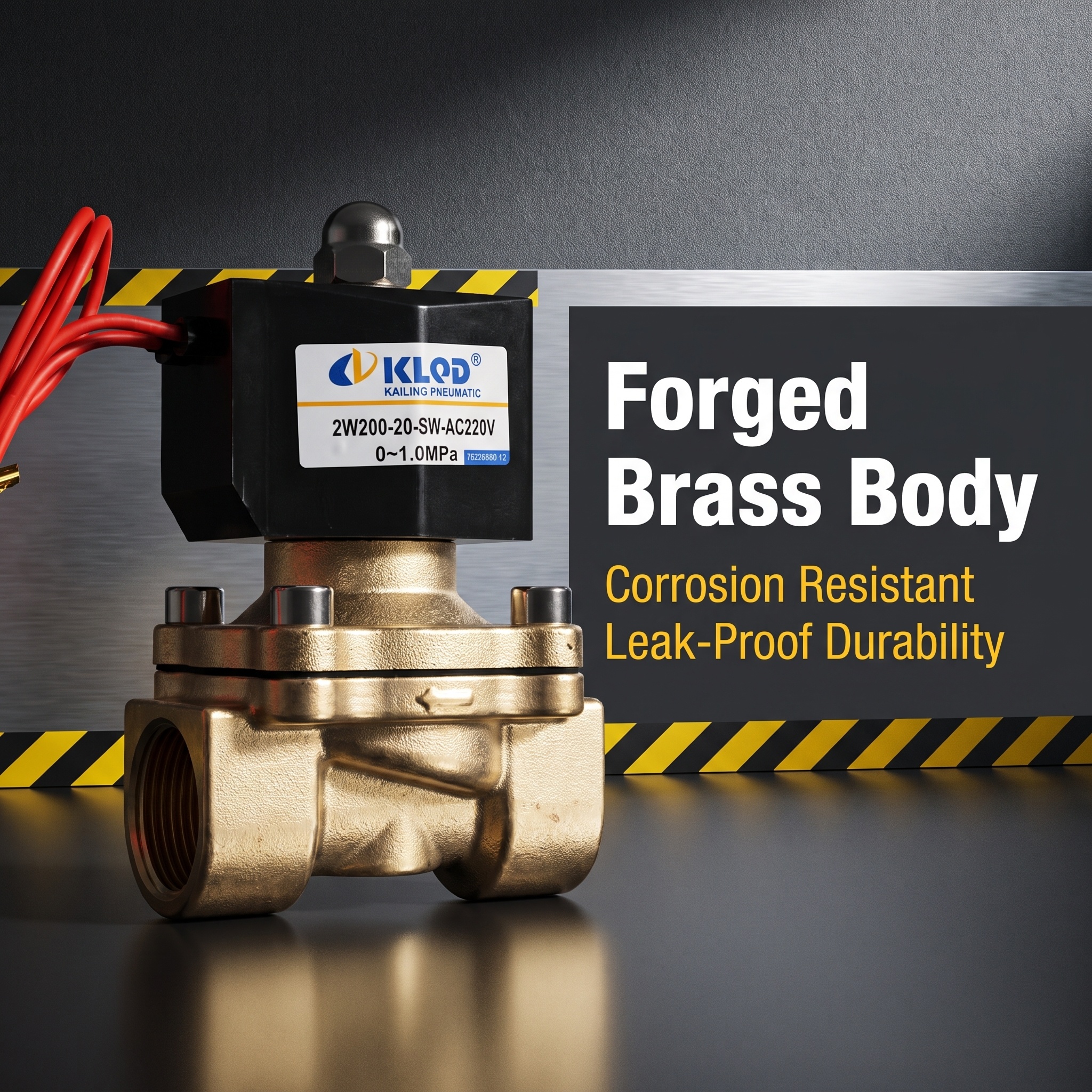
Materials must match the fluid to prevent corrosion or contamination. For general air and water, brass or aluminum components are common. For aggressive chemicals, stainless steel 316L or specialized plastics may be required. Kailing's all-copper forged valve bodies offer notable durability for neutral media and compressed air systems, with lower porosity compared to typical cast alternatives. It is advisable to request material certificates for critical applications.
2. Performance & Safety Standards
In Europe and North America, fluid control components generally need to comply with pressure equipment directives (PED 2014/68/EU) and machine safety standards. Buyers should verify that solenoid valves and cylinders meet relevant IEC 60529 IP ratings for dust and water ingress. Products without the required certifications can face customs delays, which may impact project timelines.
3. Customization & OEM/ODM Capabilities
Large-scale overseas projects rarely fit off-the-shelf components exactly. Assess whether the manufacturer can adjust port sizes, coil voltages (common options include 12/24VDC and 110/220VAC), and custom mounting brackets. In-house CNC machining and testing support consistent quality and can speed up prototyping. Provide detailed drawings for any non-standard requirement.
Ensuring Supply Chain Reliability in Procurement
Supply chain disruptions risk delaying project schedules. Look for a supplier with transparent MOQs, consistent lead times, and flexible shipping options. Industry estimates suggest standard components may ship within several weeks, while custom orders can take noticeably longer. Confirm whether the supplier stocks common models or produces only on order, as this affects reorder speed and buffer planning. All lead time figures should be verified with the manufacturer against current production schedules.
FAQ
What is the typical minimum order quantity (MOQ) for fluid control components?
MOQs vary significantly by product type. For standard solenoid valves, MOQs commonly range from tens to low hundreds of units, while custom-designed cylinders or specialized fittings often require larger volumes. Buyers should negotiate based on project volume and request a detailed quotation. Exact figures must be confirmed with the manufacturer.
How long are delivery times for overseas orders?
Standard products may ship within several weeks, while custom orders with tooling and sample approval can take several months. Air freight generally adds under a week of transit; sea freight varies widely by destination. Actual lead times depend on order specifications and should be confirmed with the supplier.
Can I get samples before placing a bulk order?
Yes, most B2B suppliers provide samples for evaluation. Buyers typically cover courier costs, and a sample fee may apply — this is often refundable with a full order. Testing samples against project requirements is a recommended risk-mitigation step.
Sources
- User material: operator-uploaded images (all-copper forged valve body, pipeline commissioning scene) — suggests Kailing uses forged brass bodies for durability.
- Official/industry source: PED 2014/68/EU, IEC 60529 — public standards for pressure equipment and ingress protection.
- Manual confirmation needed: exact material grades, certifications held by Kailing per product line, MOQ and lead time specifics, and regional regulatory requirements. All numerical ranges mentioned in this article are typical industry estimates and must be verified with the manufacturer before publishing.
For project-specific selection guidance and quotations, contact Kailing Fluid's engineering team with your technical specifications. Our team can help recommend suitable fluid control components and provide relevant compliance documentation for your market.
Need a quotation?
Send the page link, quantity, drawings and working conditions to Kailing for review.